


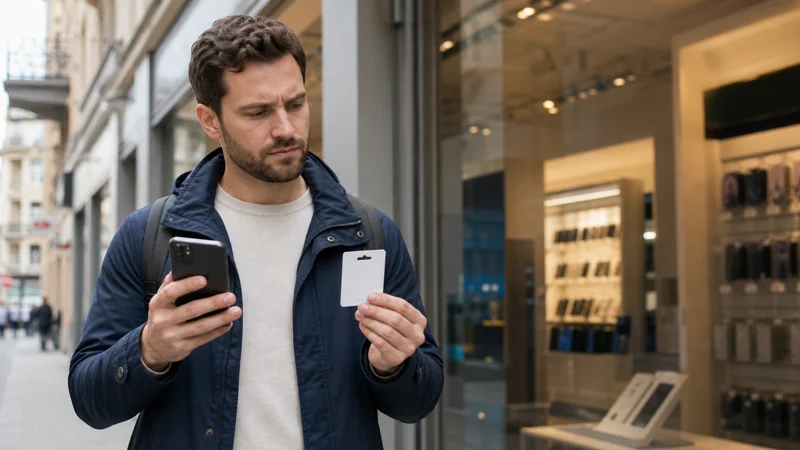

Once you’ve established that EU roaming won’t cover your trip, the choice between a physical Polish SIM card and an eSIM comes down to a short list of practical differences — both run on the same networks, so this is really about convenience, timing, and whether a local phone number matters to you.
Quick answer: An eSIM is the more convenient choice for most visitors — install it before you fly and land already connected. A physical SIM is worth it if you specifically want a Polish phone number, or if your phone doesn’t support eSIM at all.
Top Poland eSIMs

Poland eSIM
Fixed
1 GB, 7 days2.00$2 GB, 15 days4.00$3 GB, 30 days5.00$Unlimited
Unlimited, 1 day2.50$Unlimited, 3 days5.50$Unlimited, 5 days9.00$
Europe Extra eSIM
Fixed
1 GB, 7 days2.50$2 GB, 15 days4.00$3 GB, 30 days5.00$Unlimited
Unlimited, 1 day3.00$Unlimited, 3 days6.00$Unlimited, 5 days10.00$Europe+ eSIM
Fixed
1 GB, 7 days3.00$2 GB, 15 days4.50$3 GB, 30 days6.00$Unlimited
Unlimited, 1 day3.00$Unlimited, 3 days7.00$Unlimited, 5 days11.50$Europe Lite eSIM
Fixed
1 GB, 7 days2.50$2 GB, 15 days4.00$3 GB, 30 days5.00$Unlimited
Unlimited, 1 day3.00$Unlimited, 3 days6.00$Unlimited, 5 days10.00$Setup timing
An eSIM can be installed days before departure, so you’re connected the moment you land rather than needing to find a shop first. A physical SIM has to be bought and registered in person after arrival, at an airport kiosk or town shop — the how to get internet guide covers both processes.
Phone number
A physical SIM comes with a Polish phone number by default, useful if you need to receive local SMS verification codes, want a number for ride-hailing apps, or simply want to be reachable by a Polish contact. Most eSIM plans are data-only, without a local phone number, which matters if you specifically need one of these.
Device requirements
eSIM requires a compatible phone, generally recent iPhone and Android models — the Poland eSIM iPhone guide and Poland eSIM Android guide cover installation on each platform, and the phone compatibility guide covers checking support before you buy a plan. A physical SIM works in any unlocked phone with a SIM tray, making it the fallback for older devices.
Cost
Pricing between the two is generally comparable for the same data allowance, since both draw on the same underlying Orange, Play, Plus, or T-Mobile infrastructure — see the mobile data in Poland guide for typical bundle costs either way.
Coverage
There’s no coverage difference between a physical SIM and an eSIM on the same network — the Poland eSIM coverage guide confirms this holds true even in more rural or mountainous parts of the country.
Dual SIM flexibility
One advantage specific to eSIM is the ability to keep your home SIM active for calls and texts while using the eSIM purely for data, all in the same phone — a physical SIM swap means losing access to your home number unless your phone has a second SIM slot as well.
Longer stays
Erasmus students, expats, and anyone staying beyond a short holiday should also weigh long-term pricing — the long-term eSIM guide and expats guide cover connectivity planning specific to an extended stay rather than a short visit.
FAQ
Is eSIM or physical SIM better for Poland?
eSIM for convenience and dual-SIM flexibility; physical SIM if you need a local phone number or your phone doesn’t support eSIM.
Does eSIM cost more than a physical SIM in Poland?
Generally not — pricing is comparable for similar data allowances on the same underlying network.
Can I keep my home number active with an eSIM?
Yes, most phones let you run your home SIM for calls and texts while the eSIM handles data.
Do I need a Polish phone number as a tourist?
Rarely, unless you need to receive local SMS codes or want to be reachable on a local number.
Is coverage worse on an eSIM than a physical SIM?
No, both use the same networks, so coverage is identical.
What if my phone doesn’t support eSIM?
A physical SIM is the straightforward fallback, available at any authorized shop or airport kiosk.
Final Recommendation
Choose an eSIM for the convenience of arriving already connected, and fall back to a physical SIM only if you need a Polish number or your phone doesn’t support eSIM. See the best eSIM for Poland guide for specific plan options.