
 Български

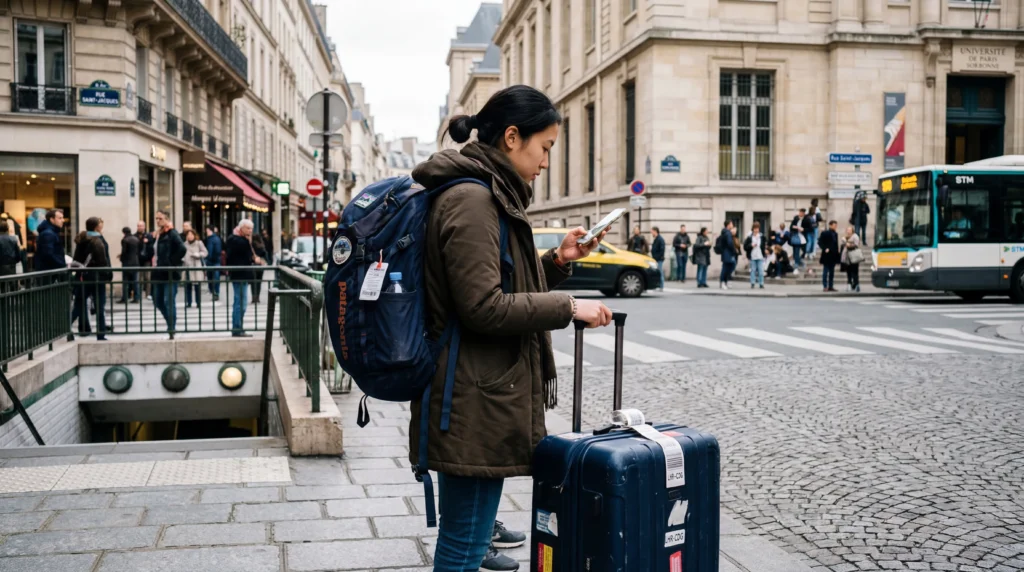
Studying abroad becomes much easier when you have reliable internet from the moment you arrive.
Students use mobile internet for maps, university apps, transport, messaging, banking, accommodation, and staying in touch with family. Without it, even simple tasks can quickly become stressful.
This guide explains the best ways to get internet for students abroad and why eSIM is often the easiest option in 2026.
Why Internet Matters So Much for Students Abroad
When you move to a new country, your phone becomes one of your most important tools. You may need internet immediately for navigation, bookings, documents, and university communication.
- finding your accommodation after arrival
- checking university emails and portals
- using maps and public transport apps
- contacting landlords, hosts, or student services
- setting up banking and payment apps
- joining student groups and messaging channels
Reliable internet makes the transition smoother and helps you settle in faster.
Best Ways to Get Internet While Studying Abroad
There are several ways students can stay connected abroad, but not all of them are equally convenient.
- eSIM: fast, flexible, and easy to activate before departure or after landing
- local SIM card: may be cheaper in some cases, but often takes more time and effort
- roaming: convenient for short periods, but usually more expensive
- public or university WiFi: useful as backup, but not enough on its own
For most students, eSIM is the easiest way to get connected quickly without depending entirely on local stores or weak WiFi networks.
If you are new to eSIM, start here: What is an eSIM and how does it work.
Why eSIM Is a Great Option for Students Abroad
- no physical SIM card needed
- instant activation
- less stress after arrival
- easy to use for short stays or long stays
- helpful for travel between countries
Students often need internet immediately, and eSIM helps avoid the delay of finding a mobile store or registering a local SIM card.
Compare the options here: Local SIM vs eSIM.
Real Situations Where Students Need Mobile Internet Abroad
In the first days abroad, mobile internet is not a luxury — it is part of everyday life.
- getting from the airport to your dorm or apartment
- checking check-in details and housing instructions
- finding supermarkets, pharmacies, and student services
- joining online orientation groups
- contacting friends, flatmates, or support staff
- using payment, translation, and transport apps
Having your internet ready in advance helps you feel more independent and confident.
How Much Data Do Students Abroad Need?
- Light use: 2–3 GB/day for messaging, maps, and browsing
- Normal use: 3–5 GB/day for social media, transport apps, and daily use
- Heavy use: 5–10+ GB/day for video calls, streaming, and frequent uploads
Most students need at least moderate daily data, especially during their first weeks in a new country.
For a more detailed estimate, read: How much data do you need for travel.
What Students Should Avoid
- arriving without any mobile internet plan
- depending only on university WiFi
- using public WiFi for sensitive accounts
- choosing plans with too little data
- waiting until after landing to solve connectivity
A little preparation before departure can save a lot of stress after arrival.
Country eSIM or Regional eSIM?
The right option depends on your plans.
- one study destination: country eSIM
- multiple countries or weekend travel: regional eSIM
- flexible travel during holidays: regional or global plan
Students who plan to travel during weekends, holidays, or exchange programs often benefit from the flexibility of regional plans.
Explore available options here: Browse all eSIM destinations →
Tips for Staying Connected as a Student Abroad
- install your eSIM before departure
- download offline maps as backup
- save important addresses and contacts offline
- monitor your data use during the first weeks
- keep screenshots of housing and travel details
For setup help, read: Install eSIM before travel.
Start your student journey abroad with internet ready from day one.
Choose your eSIM in advance and stay connected for classes, travel, communication, and everyday life.
Final Thoughts
The best way to get internet for students abroad is the option that helps you connect quickly, safely, and without unnecessary hassle.
For many students, eSIM is the simplest and most flexible solution — especially during arrival, orientation, and the first weeks in a new country.
FAQ
What is the best way to get internet for students abroad?
For many students, eSIM is one of the best options because it provides fast and flexible mobile internet without needing a physical SIM card.
Should students arrange mobile internet before going abroad?
Yes. Setting up mobile internet before departure helps students connect faster after landing and reduces stress during arrival.
Is university WiFi enough for students abroad?
Usually not. University WiFi is useful, but students also need mobile internet for transport, shopping, communication, and daily life outside campus.
How much mobile data do students abroad need?
Most students need around 3 to 5 GB per day, depending on how often they use maps, social media, video calls, and university apps.
Is eSIM better than a local SIM card for students abroad?
In many cases, yes. eSIM is more convenient because it can be activated quickly and does not require finding a local mobile store after arrival.