


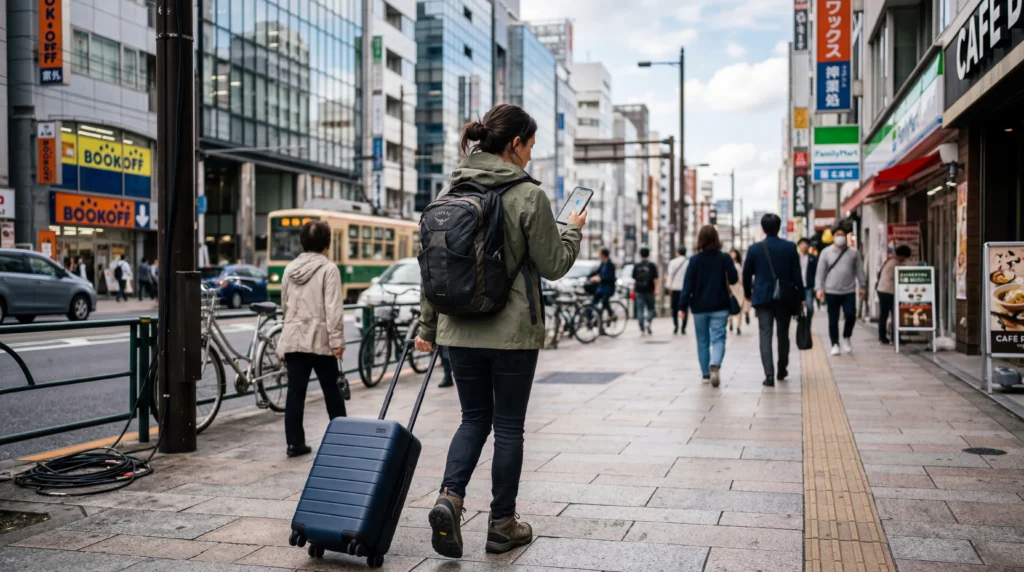

Solo travel gives you freedom — but it also means your phone becomes one of your most important travel tools.
When you travel alone, reliable mobile internet matters for navigation, bookings, safety, transport, and staying connected without depending on weak public WiFi.
That is why choosing the best eSIM for solo travel is one of the smartest things you can do before your trip in 2026.
Why eSIM Is Perfect for Solo Travel
When you are traveling alone, there is no backup phone, no shared hotspot, and no second person handling logistics. You often need internet for:
- Google Maps and navigation
- hotel check-in and bookings
- ride apps and public transport
- translation and local search
- messaging family or friends
- accessing tickets, boarding passes, and reservations
If you are new to eSIM, start here: What is an eSIM and how does it work.
Why Reliable Internet Matters More for Solo Travelers
Solo travelers often need to make quick decisions on the move. You may need to change a route, contact a host, book transport, find a safe way back at night, or check important travel details while already outside.
That is why mobile internet is not just convenient — it is part of traveling more confidently and independently.
If you want to avoid relying on hotel WiFi or public networks, see: eSIM vs roaming.
What Makes a Good eSIM for Solo Travel?
- instant activation before or after landing
- reliable local network access
- enough data for navigation, bookings, and daily use
- easy setup without a physical SIM card
- flexible plans for one country or multiple destinations
If you are unsure which option fits your trip, read: Which eSIM should I choose.
Country eSIM or Regional eSIM?
The right choice depends on your itinerary:
- one destination → country eSIM
- several countries → regional eSIM
- long multi-stop trip → regional or global plan
Solo travelers often move more flexibly than families or groups, so multi-country plans can be especially useful.
You can explore options here: Browse all eSIM destinations →
How Much Data Do Solo Travelers Need?
- Light use: 1–2 GB/day for maps, messages, and browsing
- Normal use: 2–4 GB/day for bookings, social media, and navigation
- Heavy use: 4–6+ GB/day for video calls, uploads, streaming, or remote work
Many solo travelers fall into the 2–4 GB per day range, especially if they use maps often and book things on the go.
For a full breakdown, check: How much data do you need for travel.
Why eSIM Is Better Than Buying a SIM Card After Landing
- no queue at airport counters
- no need to find a local store
- no SIM card swapping
- less stress after arrival
- faster access to maps and transport apps
For solo travelers, arriving with internet already prepared makes a big difference. Instead of solving connectivity after landing, you can focus on getting safely to your accommodation.
For a deeper comparison, see: Local SIM vs eSIM.
Common Solo Travel Internet Mistakes
- depending only on public WiFi
- waiting until after landing to buy internet
- not downloading offline maps
- leaving roaming active on the main SIM
- choosing too little data for a long trip
If you are traveling at short notice, this may also help: Best eSIM for last-minute travel.
Safety Tips for Solo Travelers Using eSIM
- install your eSIM before departure
- save hotel address and important contacts offline
- share live location when needed
- use mobile data instead of depending on open WiFi networks
- keep a backup screenshot of booking details and QR codes
For setup advice, read: Install eSIM before travel.
Best Types of Solo Trips for eSIM
- city breaks
- backpacking trips
- multi-country travel
- solo female travel
- workations and flexible travel
If your trip is longer, you may also like: Best eSIM for long-term travel in Europe.
Travel solo with internet ready from the moment you land.
Choose the right plan before your trip and stay connected for maps, bookings, safety, and everyday travel.
Final Thoughts
The best eSIM for solo travel is the one that makes your trip easier, safer, and more flexible without adding extra hassle.
Whether you are planning a short city break or a longer independent journey, having mobile internet ready before you arrive gives you more confidence and more freedom.
With the right eSIM, you can focus on the experience — not on finding WiFi or worrying about roaming charges.
FAQ
Is eSIM good for solo travel?
Yes. eSIM is ideal for solo travel because it gives you reliable mobile internet for navigation, safety, bookings, and communication without needing a physical SIM card.
Should I install my eSIM before traveling alone?
Yes. Installing your eSIM before departure makes solo travel easier because you can connect faster after landing and avoid unnecessary stress.
How much data do I need for solo travel?
Most solo travelers need around 2–4 GB per day, depending on how often they use maps, transport apps, social media, and online bookings.
Is eSIM safer than using public WiFi while traveling alone?
In many cases, yes. Mobile data is often a more reliable and safer option than depending on unknown public WiFi networks.
Is a regional eSIM better for solo multi-country travel?
Yes. If you are visiting several countries, a regional eSIM is usually more convenient than switching plans or buying separate SIM cards.