


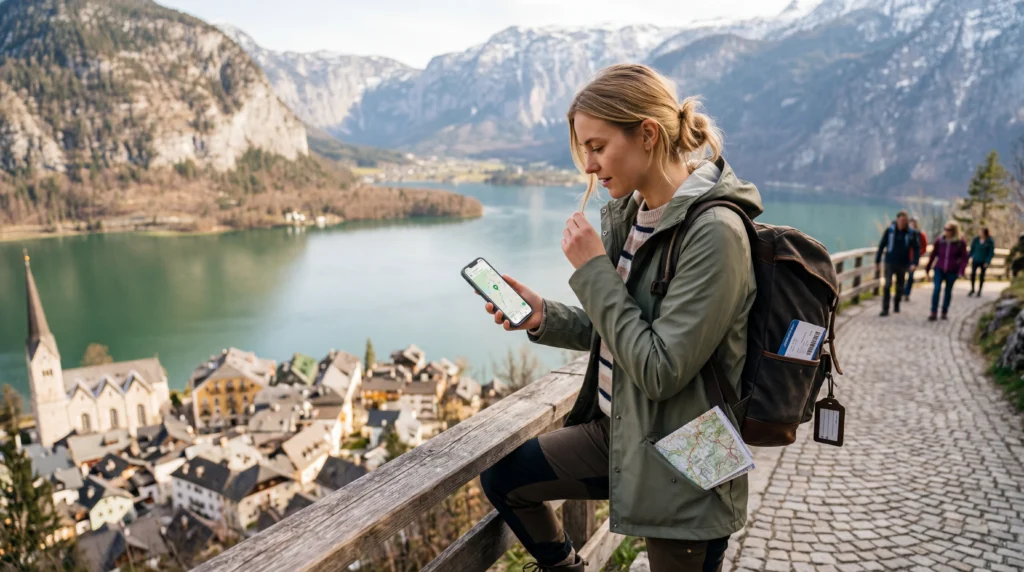

This is why choosing the best eSIM for backpacking is one of the smartest travel decisions you can make in 2026. If you want a broader comparison, see best eSIM for travel.
Unlike a short city break, backpacking often means changing locations frequently, using maps daily, booking transport on the move, and relying on your phone for navigation, communication, and travel planning.
This is why choosing the best eSIM for backpacking is one of the smartest travel decisions you can make in 2026.
Why Mobile Internet Matters for Backpacking
When you are backpacking, internet access is not just useful — it becomes part of your travel routine every single day.
- using maps while moving between cities or neighborhoods
- booking hostels, buses, trains, or last-minute stays
- communicating with friends, hosts, or other travelers
- accessing banking, payments, and travel apps
- checking routes, tickets, and local transport updates
For backpackers, reliable internet is not optional — it helps your entire trip run more smoothly.
Why eSIM Is Ideal for Backpacking
This is also true for road trips and multi-city travel, where constant movement requires reliable mobile data.
- no need to swap physical SIM cards
- easy online purchase before departure
- instant activation in many cases
- flexible plans for different trip lengths
- more convenient for multi-country routes
eSIM is especially useful for backpackers because plans often change, routes are flexible, and you may need internet as soon as you land.
If you are new to eSIM, start here: What is an eSIM.
Best eSIM Option for Backpacking: Country vs Regional
- traveling in one country → country eSIM
- crossing multiple borders → regional eSIM
If your backpacking route includes several countries, a regional eSIM is often the more practical option because it keeps you connected without repeated SIM changes. See best eSIM for multiple countries in Europe.
Explore options: Browse eSIM plans →
How Much Data Do You Need for Backpacking?
- Light use: maps, messaging, simple browsing
- Normal use: bookings, navigation, social apps, travel planning
- Heavy use: video calls, uploads, streaming, remote work
Backpackers often use more data than expected because travel days involve maps, translation apps, transport bookings, and frequent online lookups.
Helpful guide: How much data do you need.
For longer trips, see also best eSIM for long-term travel.
Why Public WiFi Is Usually Not Enough
Hostels, cafés, airports, and public places may offer WiFi, but it is not always fast, stable, or secure.
- WiFi may be slow when many people are connected
- you may not have access when you need directions most
- public networks are not ideal for banking or payments
- you cannot depend on WiFi while moving between places
That is why many backpackers prefer having mobile data ready throughout the day, not only when they reach accommodation.
Real Situations Where Backpackers Need Internet Daily
- finding your hostel after arriving in a new city
- checking bus or train times during travel days
- using maps while walking in unfamiliar areas
- booking accommodation at the last minute
- staying in touch with travel companions or family
Backpacking involves constant movement, and mobile internet helps reduce stress, save time, and keep plans flexible.
This is similar to frequent travel, where staying connected across multiple trips is essential.
What Backpackers Should Avoid
- waiting until arrival to think about internet access
- choosing the cheapest plan without checking coverage
- buying a single-country plan for a multi-country route
- depending only on public WiFi
- underestimating daily data usage
A backpacking trip is much easier when your internet setup matches the way you actually travel.
Tips for Smarter Connectivity While Backpacking
- install your eSIM before departure
- choose a plan that matches your route and trip length
- keep important travel details available offline as backup
- monitor your data use during long trips
- use WiFi when available, but keep mobile data ready
Setup guide: Install eSIM before travel.
If you are traveling across Europe, you may also want to explore best eSIM for Europe travel.
Stay connected wherever your backpacking route takes you.
Choose a flexible travel eSIM and enjoy easier navigation, bookings, and communication on the road.
Final Thoughts
The best eSIM for backpacking is one that supports flexibility, daily travel needs, and easy connectivity across your journey.
With the right plan, you can spend less time worrying about internet access and more time enjoying the experience, the people, and the places you discover along the way.
FAQ
Is eSIM good for backpacking?
Yes. eSIM is a strong option for backpacking because it is flexible, easy to install, and convenient for travelers who move often or visit multiple destinations.
Should I buy an eSIM before my backpacking trip?
In most cases, yes. Buying and installing your eSIM before departure makes arrival easier and helps you avoid wasting time looking for a SIM card after landing.
Is a country eSIM or regional eSIM better for backpacking?
If your trip is focused on one destination, a country eSIM usually works well. If you plan to cross borders, a regional eSIM is often more practical.
How much data do I need for backpacking?
It depends on your travel style, but many backpackers need more data than expected because they use maps, booking apps, messaging, transport tools, and social apps every day.
Is eSIM better than relying on hostel or café WiFi?
For consistency and convenience, yes. Public WiFi can help, but it is not always available, secure, or reliable when you need it most.