


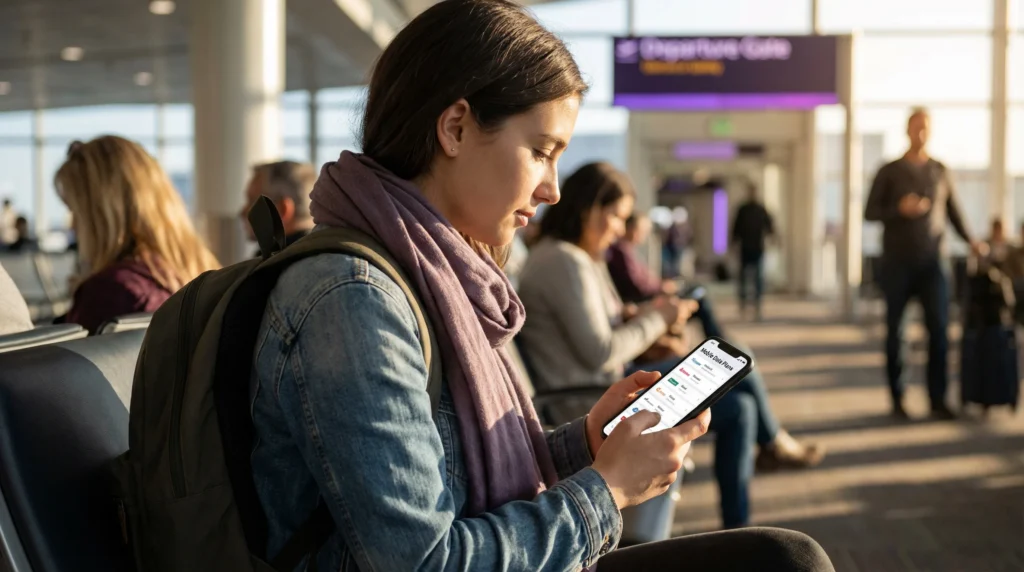
Choosing the best eSIM for travel in 2026 can be confusing. There are many providers, plans, prices, and coverage differences.
Travelers usually want to know:
- Which eSIM is fastest?
- Which is cheapest?
- Which works worldwide?
- Which is most reliable?
The truth: The best eSIM depends on your travel style, destination, and data needs.
This guide compares the most important factors so you can choose the right eSIM quickly.
What makes an eSIM provider “the best”?
The best travel eSIM is not always the cheapest.
Important factors:
- Network quality
- Supported countries
- Speed priority
- Activation reliability
- Customer support
- Plan flexibility
Best eSIM for different traveler types
Different travelers need different solutions.
- Best eSIM for weekend trips
- Best eSIM for backpacking
- Best eSIM for road trips
- Best eSIM for group travel
- Best eSIM for long-term travel
- Best eSIM for frequent travelers
Best for short trips
Choose:
- Small data plan
- Short validity
- Instant activation
Why: cheaper and optimized for short stays.
Learn more: eSIM for weekend trips.
Best for digital nomads
Choose:
- Large or unlimited data
- Multi-country coverage
- Priority routing
Why: stable connection matters more than price.
Full guide: eSIM for long-term travel.
Best for budget travelers
Choose:
- Local network plans
- Fixed data packages
Why: cheapest option for single-country trips.
Compare: Local SIM vs eSIM.
Speed comparison insight
Not all eSIM plans have the same priority.
Some use:
- Premium routing
- Standard routing
- Shared bandwidth
Premium routing plans usually cost more but deliver faster speeds.
Coverage comparison insight
Coverage depends on:
- Partner carriers
- Network agreements
- Region infrastructure
Providers that support multiple networks in one country are more reliable.
Europe example: Best eSIM for Europe travel.
Reliability comparison insight
Most connection problems are not provider faults but:
- Wrong settings
- Roaming disabled
- Wrong network selected
Troubleshooting guide: 👉 eSIM not working
Activation speed comparison
Typical activation times:
- Instant QR: 1–2 minutes
- Manual install: 3–5 minutes
- Delayed activation: after landing
Setup guide: Install eSIM before travel.
Pricing comparison reality
Cheapest plan ≠ best plan.
Low-cost plans may:
- Limit speeds
- Restrict networks
- Deprioritize traffic
Compare options: Cheapest eSIM for travel.
How to choose the best eSIM (quick method)
- 1. Choose destination
- 2. Check supported networks
- 3. Select data amount
- 4. Compare price
- 5. Check activation method
This guarantees the right choice in under 2 minutes.
Start here: Which eSIM should I choose.
Final verdict
The best eSIM for travel in 2026 isn’t one provider.
It’s the one that matches:
- Your destination
- Your usage
- Your budget
- Your trip duration
Choose based on needs — not marketing.
Compare plans: 👉 Browse eSIM plans
Frequently Asked Questions
What is the best eSIM for travel in 2026?
The best eSIM depends on your destination, travel duration, and data needs. Travelers often choose multi-country eSIM plans for flexibility and convenience.
Is eSIM better than roaming?
Yes. eSIM is usually more affordable and offers better control over data usage compared to traditional roaming plans.
Can I use one eSIM in multiple countries?
Yes. Many travel eSIMs support multiple countries with a single plan. Learn more: Using eSIM in multiple countries.
Does eSIM work immediately after landing?
In most cases, yes. Once installed and activated, your eSIM can connect shortly after arrival. See guide: Does eSIM work after landing.
How much data do I need for travel?
Most travelers need 2–5 GB per day depending on usage. Full breakdown: How much data do you need.
Is eSIM reliable when traveling?
Yes. eSIM is reliable when connected to supported networks. Most issues are related to settings rather than the eSIM itself.
Can I install eSIM before traveling?
Yes. It is recommended to install your eSIM before departure. Follow this guide: Install eSIM before travel.
Is eSIM cheaper than buying a local SIM card?
In many cases, yes. eSIM offers competitive pricing and avoids the need to find and purchase SIM cards locally.
What happens if my eSIM data runs out?
You can usually top up or purchase a new plan instantly. Learn more: What happens when data runs out.